Change of Referencing Style to APA 7th Edition
Read more about Change of Referencing Style to APA 7th EditionVaccine development is a lengthy procedure, and safety and efficacy studies are crucial before and after the commercial use of a vaccine. The current research was conducted to investigate the immunogenicity and histopathological effects of two commercially produced Infectious Bronchitis vaccines from the GI-13 lineage in young chickens. Seventy-five broiler chickens were divided into three groups of 25 (groups 1-3). At 21 days of age, the chickens were vaccinated through the ocular route. The first two groups were vaccinated against IB, while the last group remained unvaccinated as a control group. Using ELISA, the humoral immune response in the form of antibodies was measured 3 weeks post-vaccination. Five days after vaccine administration, histopathology in the trachea and kidney of vaccinated and control group chickens was examined, and real-time PCR was performed to determine the RNA virus load in tracheal swabs. The results confirmed that both vaccines elicited serum antibody responses of 0.2618±0.1358 (mean OD ± standard deviation) for the first group and 0.2789±0.1164 for the second group, which were higher than those of the control group. Despite some variations between them, the difference was not significant (p>0.05). However, the 793/B-like vaccine in group 2 had much higher histopathological lesion scores in the kidney (Group 1: 2.600 ± 0.8944 and 3.800 ± 0.4472 for Group 2) and the trachea (Group 1 scored a mean of 1.800 ± 0.4472, while the second group scored a higher mean of 2.800 ± 0.8367) (P<0.05), indicating that different vaccines may cause varying changes in the microscopic structure of tissues. Real-time RT-PCR analysis with 24 and 24.42 CT values for the first and second vaccinated groups, respectively, revealed no preference for vaccine strains, indicating roughly the same viral loads. In conclusion, these findings suggest that both vaccines are immunogenic, and despite potentially having the same replication rate, one specific vaccine could be safer with less damage in target tissues in chickens. This means that choosing the right vaccine is important for control strategies and managing the health of poultry.
|
Gastrointestinal health plays a crucial role in enhancing immune function and maintaining a balanced gut microbiota in poultry. Regulation of inflammatory gene expression and upregulation of genes related to intestinal health are key factors in preserving epithelial integrity and immune efficiency. In the present study, the effects of a drinking water supplement, commercially known as CytoGard, on the expression of inflammatory and intestinal health-related genes during the rearing period of broiler chickens were evaluated. A total of 180 Ross 308 broiler chickens were randomly allocated to three experimental treatments: CytoGard, a commercial probiotic serving as a positive control, and control groups, with six replicates of 10 birds each. On day 42, ileum samples were collected to analyze the expression of pro-inflammatory genes (TNF-α and IL-1β) as well as the anti-inflammatory gene (IL-10). Additionally, the expression of gut health-related genes, including occludin, mucin-2, and immunoglobulin A, was assessed using real-time PCR. Furthermore, the mechanical properties of the tibia bone were evaluated. The results showed that CytoGard significantly reduced the expression of TNF-α and IL-1β compared to the control group (p<0.01). Moreover, the expression of intestinal health-related genes such as mucin-2 and occludin was significantly upregulated (p<0.01). The mechanical properties of tibia bone did not differ significantly among groups (p>0.05). Therefore, regular supplementation with CytoGard during the rearing period may be considered as an effective strategy to enhance poultry gut health by reducing inflammation and upregulating the expression of intestinal health-related genes. |
Veterinary diagnostic methods are rapidly evolving, with radiology techniques playing a key role in clinical activities and disease diagnosis. Computed Tomography (CT) has gained popularity for its detailed structural imaging and ability to provide precise diagnostic information. The Buteo rufinus, a common bird of prey species admitted to the Environmental Protection Department of Kerman, often presents with skeletal injuries, making advanced imaging techniques valuable for effective treatment. This study examined the femoral bone structure using digital radiology and CT in 10 adult Buteo Rufinus. Sedated birds underwent imaging of left and right femur structures, and multiple indices were measured. A significant difference was found in the diameter of the medullary cavity and thickness of the cortex between radiology and CT techniques (P<0.05), while no significant difference was observed between left and right femoral indices using either method (P>0.05). CT offers higher accuracy in measuring some femur indices and provides precise information for managing femoral injuries in Buteo rufinus. It is recommended for enhancing clinical outcomes in these raptors
|
Following restrictions on antibiotic growth promoters (AGPs) in many regions due to their link to the development of microbial resistance. The recent ban on antibiotics in poultry has underscored the urgent need for alternative methods to enhance growth performance in chickens. Various innovative strategies are being explored to address this challenge. Aspirin, chemically known as acetylsalicylic acid, has attracted attention in poultry nutrition, particularly in broiler diets. Its potential benefits include enhancing growth performance, improving feed efficiency, and possibly providing anti-inflammatory effects. This review synthesizes findings from 64 studies conducted between 2015 and 2025 on the effects of aspirin use across many animal species, particularly in broiler diets, focusing on growth and development, carcass traits, and health criteria. The literature indicates that the addition of Aspirin to drinking water at concentrations exceeding 200 mg/L was associated with reduced performance and adverse histology in several studies. Conversely, including up to 100 mg/kg of Aspirin in the diet has been demonstrated in several studies to improve performance and decrease the population of Escherichia coli. These effects are especially pronounced under stressful conditions commonly faced in broiler production, such as high stocking densities and heat stress. This review underscores the health advantages and potential uses of Aspirin and its derivatives in broiler nutrition. |
|
Raptors play an important role in the ecosystem as top predators. They can transmit diseases over long distances, affecting the environment, humans, and animals, in line with the one-health approach. Identifying their infectious agents helps to understand existing and emerging diseases. Escherichia coli infection, one of the most common bacterial diseases of poultry, causes significant economic losses, and its increasing antibiotic resistance highlights the need for drug susceptibility testing. In this study, the identification and investigation of antibiotic resistance of E. coli strains, especially E. coli O157, in 33 raptors that act as carriers of this pathogenic bacterium were investigated. For this purpose, 66 swab samples were collected: 33 from the choanal cleft and 33 from the cloaca. Through culture, biochemical testing, and PCR, 48 E. coli isolates, including 16 E. coli O157 isolates, were identified. Escherichia coli isolates were then evaluated for susceptibility to six different antibiotics. Among the 48 E. coli-positive samples, the greatest resistance was observed to colistin and neomycin, with sulfamethoxazole and trimethoprim, enrofloxacin, Linco-Spectin (lincomycin hydrochloride and spectinomycin sulfate tetrahydrate), and chloramphenicol showing lesser but still moderate resistance. Given the isolation of E. coli (O157) strains from raptors in Kerman province and their observed antibiotic resistance, treatment options are significantly limited. Given the raptors' ability to migrate and travel long distances, these resistant and pathogenic bacteria can be transmitted to humans and domestic animals. Therefore, based on the one-health approach, monitoring, studying, and treating infected raptors in captive environments are particularly important for controlling E. coli disease in the context of interactions among animals, humans, and the ecosystem. Further research across broader areas of Iran is essential to identify and manage this disease. |
This experiment examined the responses of Arian and Ross broiler strains to wheat-based diets formulated with elevated levels of meat meal, intended to disrupt gut health and induce dysbiosis. The objective was to evaluate strain-dependent resilience and determine the extent to which gut health promoting feed additives could mitigate potential genetic predispositions to intestinal dysfunction. Six dietary treatments were administered: the basal diet without additives (control) and the basal diet supplemented with either an antibiotic, probiotic, prebiotic, organic acid, or phytobiotic. Evaluated parameters included growth performance traits, carcass weight, organ weights, intestinal length, clinical and histological indicators of intestinal health, and gut microbial populations. Additionally, the expression of key nutrient transporter-related genes (SLC7A5, SLC7A6, SLC7A9, SLC6A19, GLUT2, and SI) were quantified. The Ross strain exhibited significantly(p<0.05) higher feed intake than the Arian strain (4543 g vs. 3977 g), a superior feed conversion ratio (1.66 vs. 1.76), higher live weight (2713.2 g vs. 2232.3 g), carcass weight (2030 g vs. 1637 g) and also intestinal length (226.1 mm vs. 202.9 mm). Despite the potentially challenging nature of the basal diet, no significant differences in dysbacteriosis or necrosis scores were observed between the two strains (p>0.05), indicating effective adaptation in both strains. The microbial populations of Escherichia coli, Lactobacillus, and Clostridium perfringens were significantly higher in Ross birds than Arian (p<0.05). Among diets, the phytobiotic-supplemented diet significantly upregulated the expression of SLC6A19, SLC7A5, and SLC7A6 genes in the Ross strain (p<0.05). While organic acids significantly enhanced SLC7A6 expression in both strains, antibiotics significantly upregulated SLC7A9 in the Ross strain. The expression of GLUT2 was not significantly affected by genetic strain (p>0.05). These findings suggest that the improved performance of Ross 308 broilers, particularly under phytobiotic supplementation, may be partially attributed to enhanced expression of nutrient transporter genes in response to intestinal challenge.
Colibacillosis caused by avian pathogenic Escherichia coli (APEC) is a major health and stewardship concern in poultry. We conducted a study in Mazandaran Province, northern Iran, which was chosen because it is a major hub for broiler production and frequently reports veterinary cases of colibacillosis. From 106 diagnostic submissions with compatible necropsy lesions, 81 isolates of Escherichia coli were recovered using EMB culture and confirmed by IMViC. Plasmid-mediated quinolone resistance (PMQR) genes were screened by conventional PCR for qnrA, qnrB, qnrS, oqxAB, qepA, and aac(6′)-Ib-cr, with one representative amplicon per target Sanger-confirmed. Fluoroquinolone susceptibility was assessed by Kirby–Bauer with ciprofloxacin, enrofloxacin, norfloxacin, and nalidixic acid. PMQR carriage was common: oqxAB in 53.1% of isolates and qnrS in 34.6%, with lower frequencies of aac(6′)-Ib-cr (13.6%) and qnrB (4.9%); qnrA and qepA were not detected. Non-susceptibility in disk diffusion was highest for enrofloxacin (76.5%) and also high for nalidixic acid (60.5%), while ciprofloxacin was lowest (23.5%), indicating substantial but heterogeneous fluoroquinolone pressure in this setting. Genotype–phenotype discordance occurred: five PMQR-positive isolates were fully susceptible to all tested fluoroquinolones, whereas nine non-susceptible isolates lacked the screened PMQR genes, consistent with alternative mechanisms such as gyrA/parC mutations or non-oqxAB efflux. These Mazandaran-specific data link PMQR genotypes to clinically relevant phenotypes in a high-priority poultry region, providing a baseline for surveillance and targeted stewardship to curb empirical fluoroquinolone use while expanding monitoring of both plasmid-borne and chromosomal resistance.
The use of synbiotic additives in chicken feed improves gut microbiota and represents a promising approach to bolster protective immunity against infectious diseases and enhance production efficiency. These additives, which encompass probiotics, prebiotics, and synbiotics, are essential in modulating the microbiota of the chicken, thus promoting gut health. This narrative review aimed to explore the application of synbiotic feed additives to enhance gut microflora and mucosal immunity to disease control and improve production efficiency in chickens. In poultry production, infectious diseases are among the major challenges. Chickens may acquire these diseases either from external sources or from opportunistic pathogens that normally exist within their bodies. Most commensal bacteria reside in the gastrointestinal tract, where they form the gut microbiota. This microbiota, which begins to establish immediately after hatching, is essential for the health and well-being of chickens. The gut microbiota includes both beneficial and opportunistic pathogens. While medications are used to control infections and promote growth, excessive antibiotic use in poultry disrupts this balance, leading to negative health effects. To promote a balanced intestinal microbiota in chickens, beneficial microbes can be provided through synbiotic feed additives. This strategy can improve gut health for better nutrient absorption, strengthen mucosal-associated lymphoid tissue to enhance immunity, and potentially reduce reliance on antibiotics. Synbiotics generally have beneficial effects on host biological functions, acting as immunomodulators and promoting growth in chickens. They help limit pathogen colonization and enhance overall performance. Therefore, poultry producers should be encouraged to incorporate synbiotic-based feed supplements.
Change of Referencing Style to APA 7th Edition
Read More Read more about Change of Referencing Style to APA 7th Edition
Bibliographic information:
Title: Journal of Poultry Sciences and Avian Diseases.
Abbreviated title: J Poult Sci Avian Dis
Accronym: JPSAD
Online ISSN: 2981-135X
Print ISSN: 2981-1368
Editor-in-chief: Jamshid Razmyar
Owner: SANA Institute for Avian Health and Diseases Research
Funder: Ramin Salamati
Publisher: KMAN Publication Inc. ![]()

Language: English
Subject classification: Dewey : 636.5
Subject headings: Avian Diseases, Poultry Sciences
Email: admin@jpsad.com
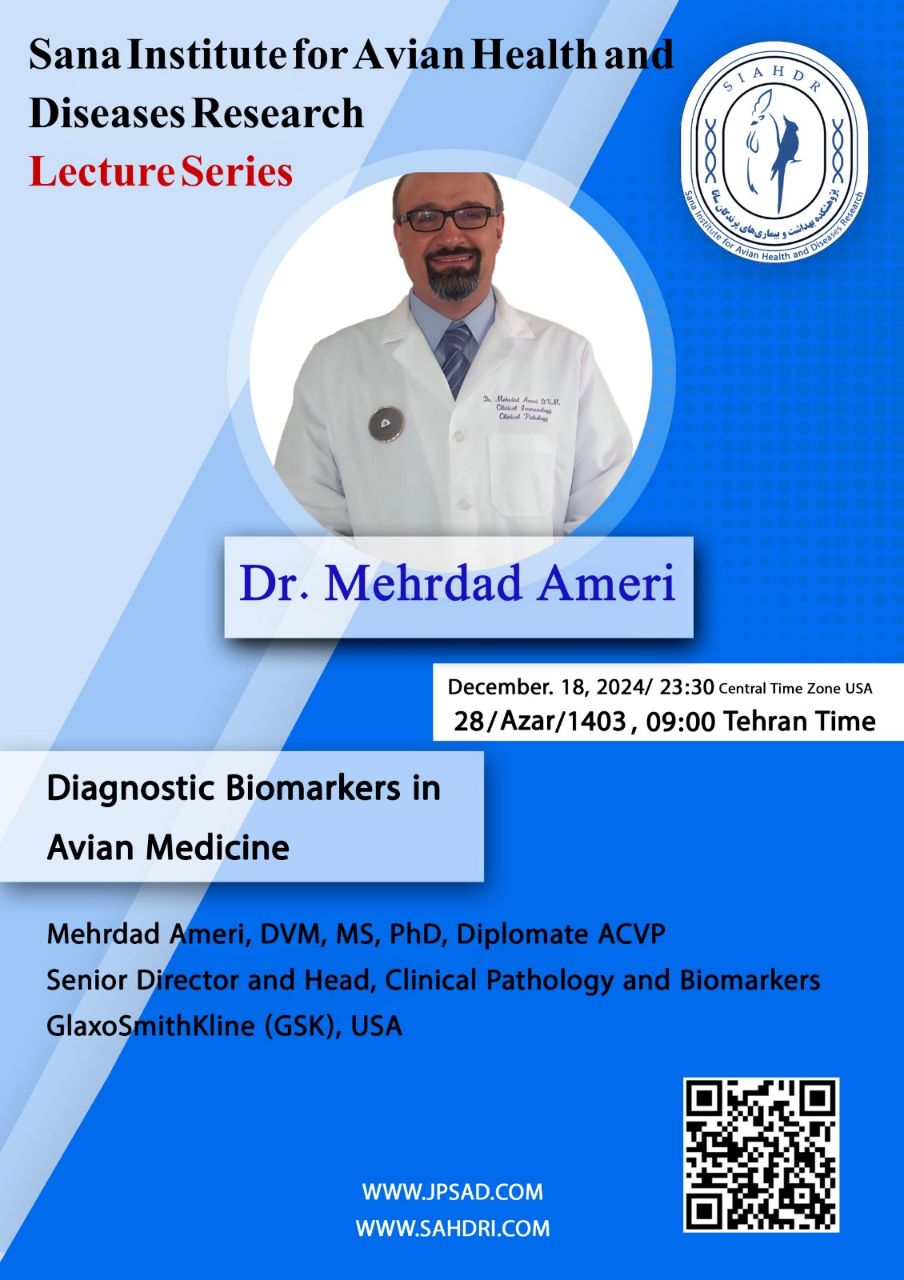
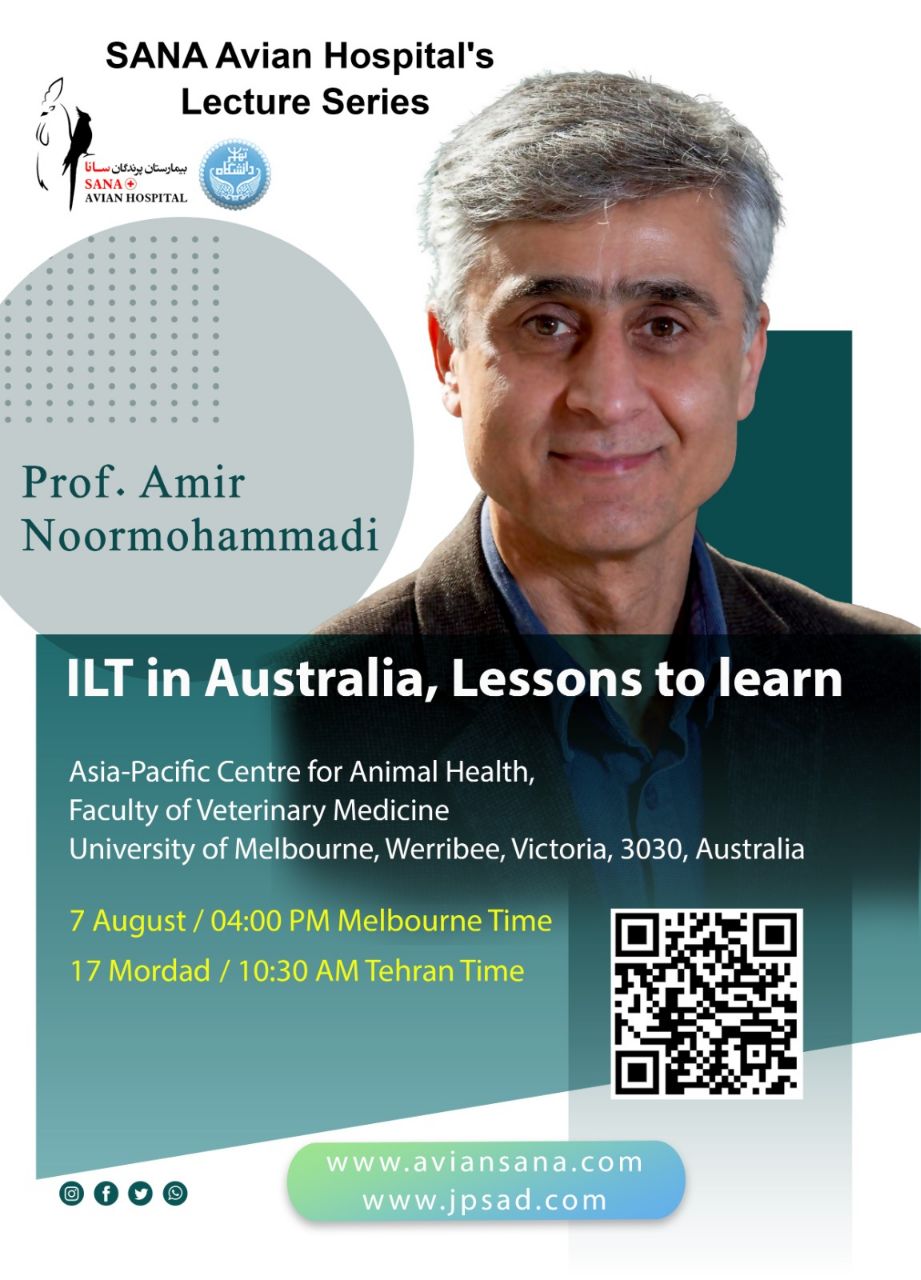
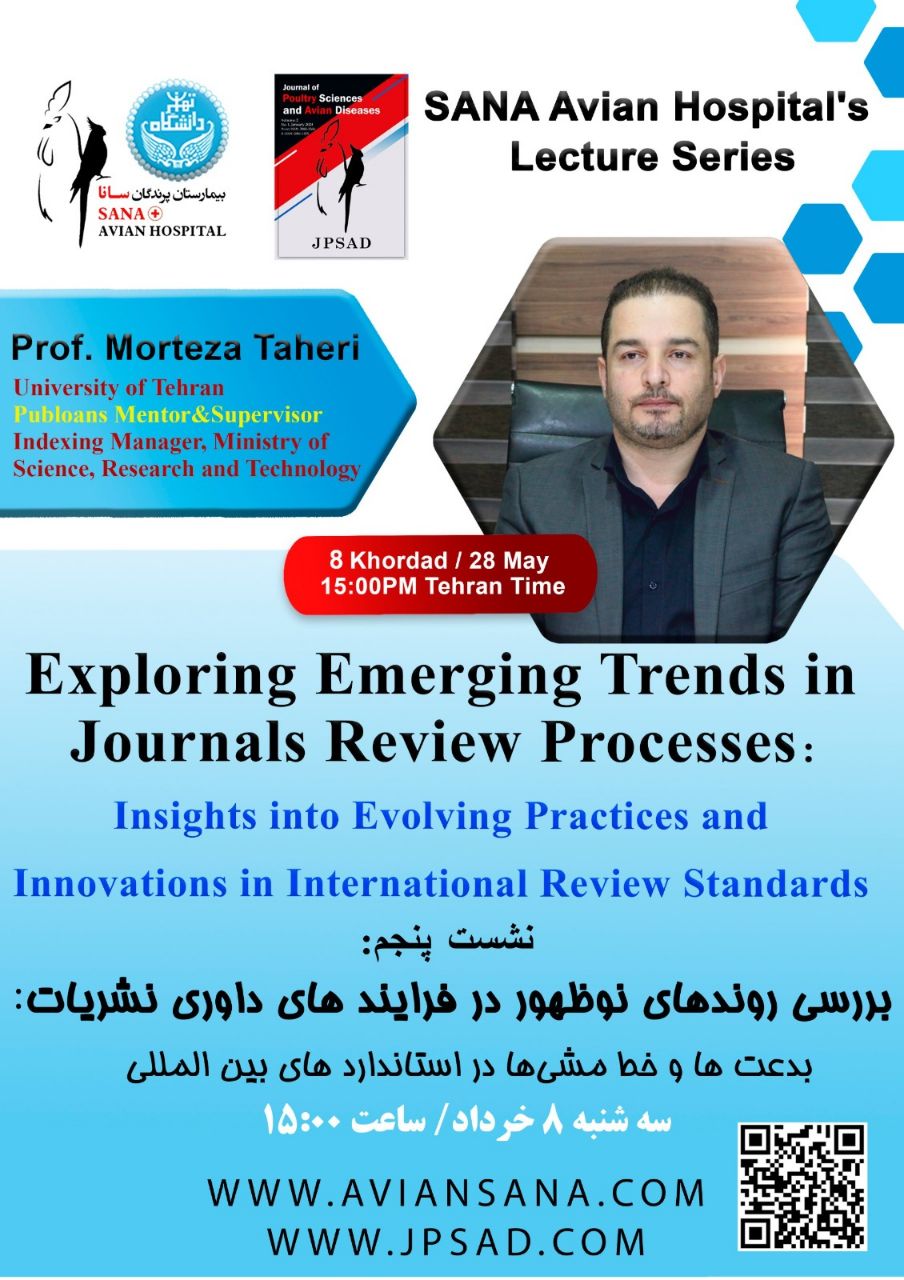
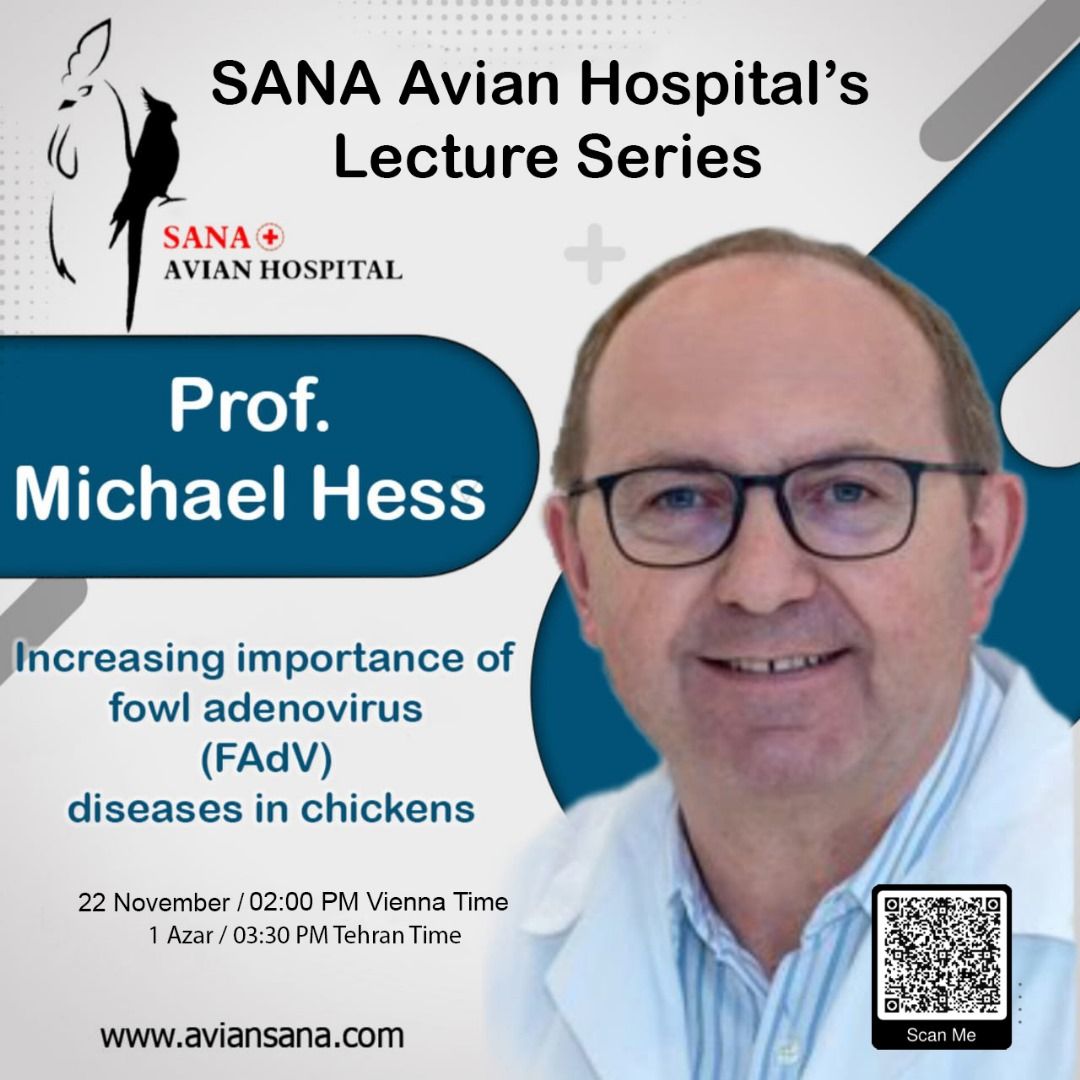
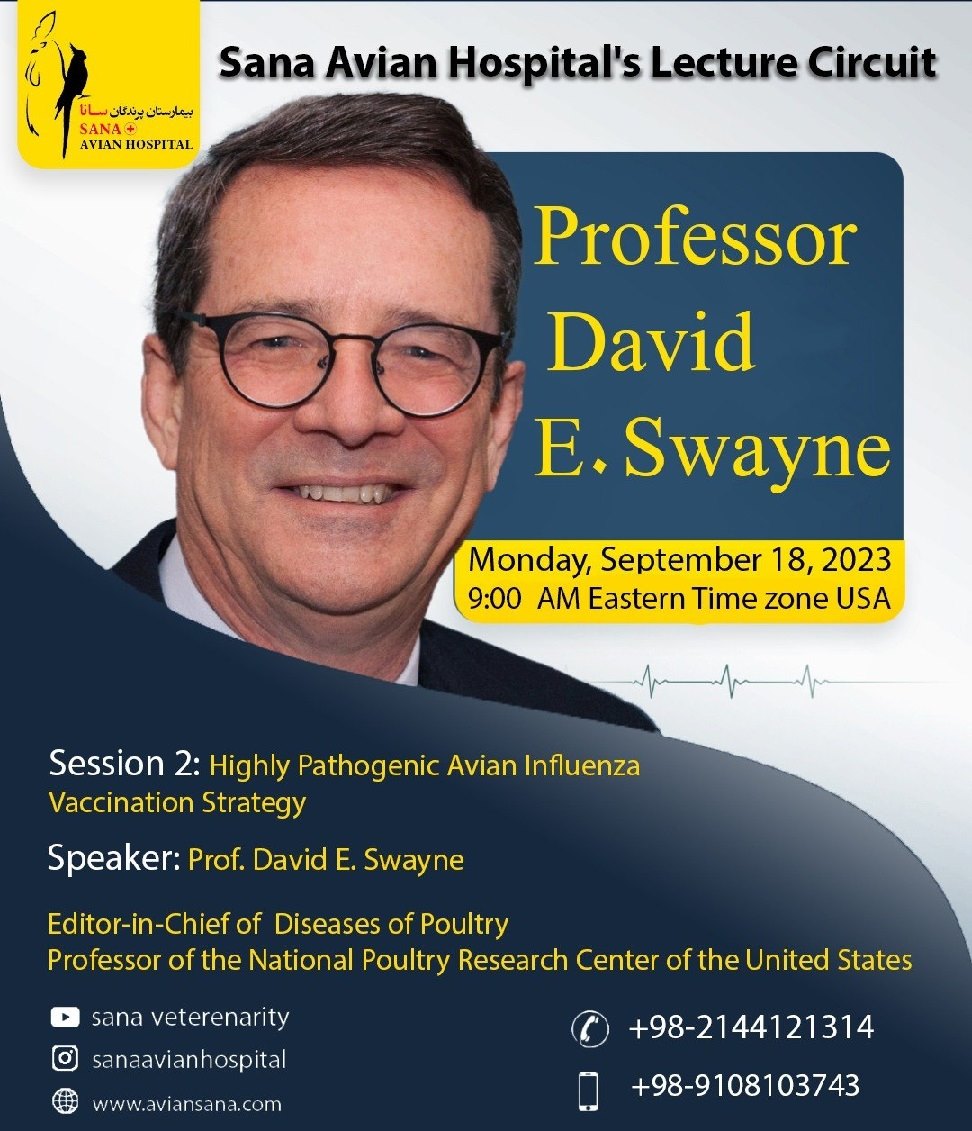
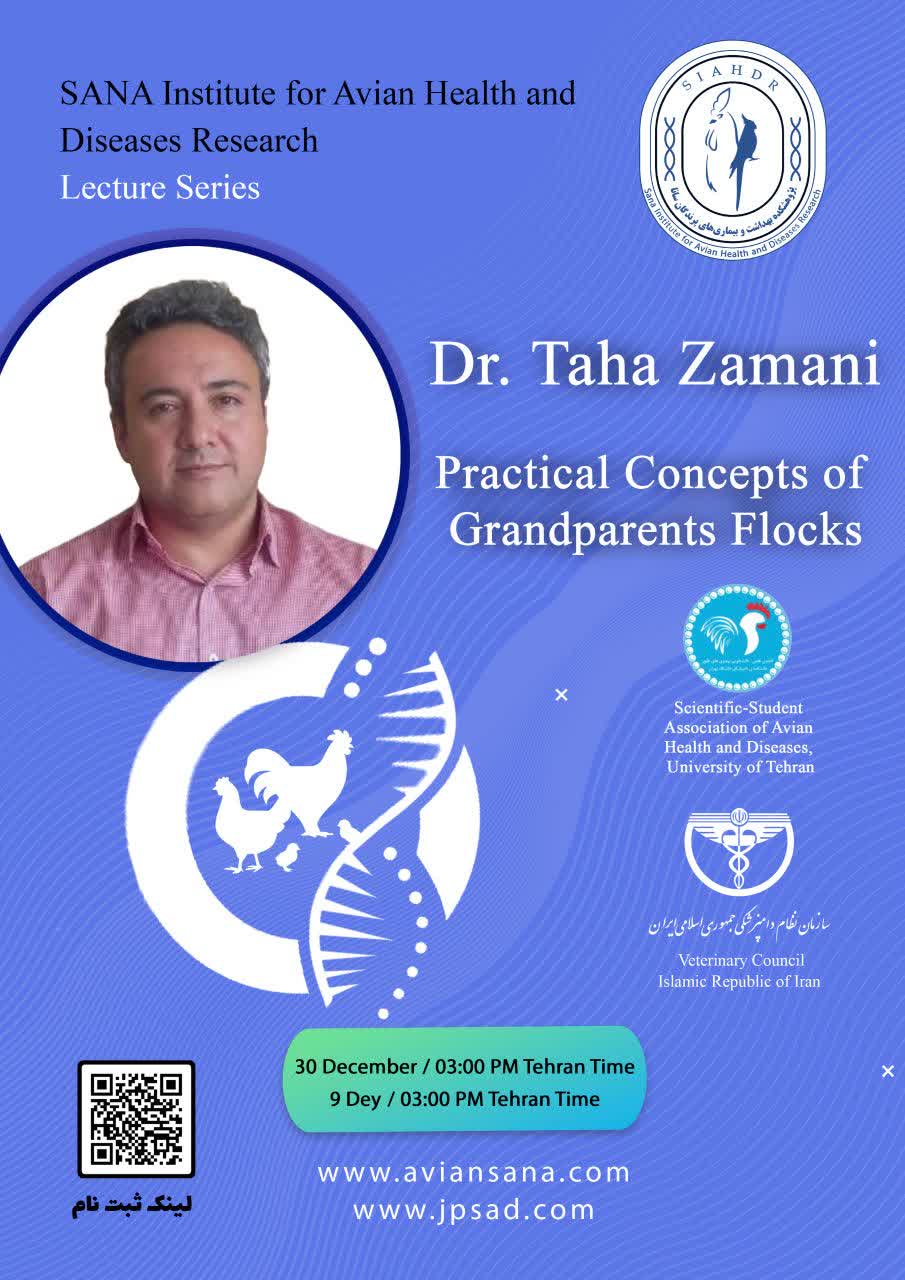
Webinars and Courses

![]()
![]()
![]()
![]()
![]()
Webinar has been held.

![]()
![]()
Webinar has been held.

![]()
Webinar has been held.

Volumes
4
Issues
13
Rejection Rate
58%
Peer Review Time
30 days
Total Submissions
231
Total Publications
103
Countries Represented
20
Google Scholar Citations
94
Owned By: SANA Institute for Avian Health and Diseases Research

Journal Owner's Address: SANA Institute for Avian Health and Diseases Research, East 8th Alley, Sattari Highway, Tehran, Iran
Contact Number: +982144121314
Contact E-mail: admin@jpsad.com
Published By: KMANPUB


Publisher Office: Unit 5-10825 Yonge St, Richmond Hill, Ontario, Canada, Postal code: L4C 3E3
Telegram: +1 (647) 656-4401
WhatsApp: +1 (437) 429-3507
Instagram: https://www.instagram.com/sana.jpsad/
Youtube: https://youtube.com/@jpsad-n1e?si=a1UOSCNv_m-e5Imx
Linkedin: https://www.linkedin.com/feed/update/urn:li:activity:7353815868276981760
© KmanWeb 2025